
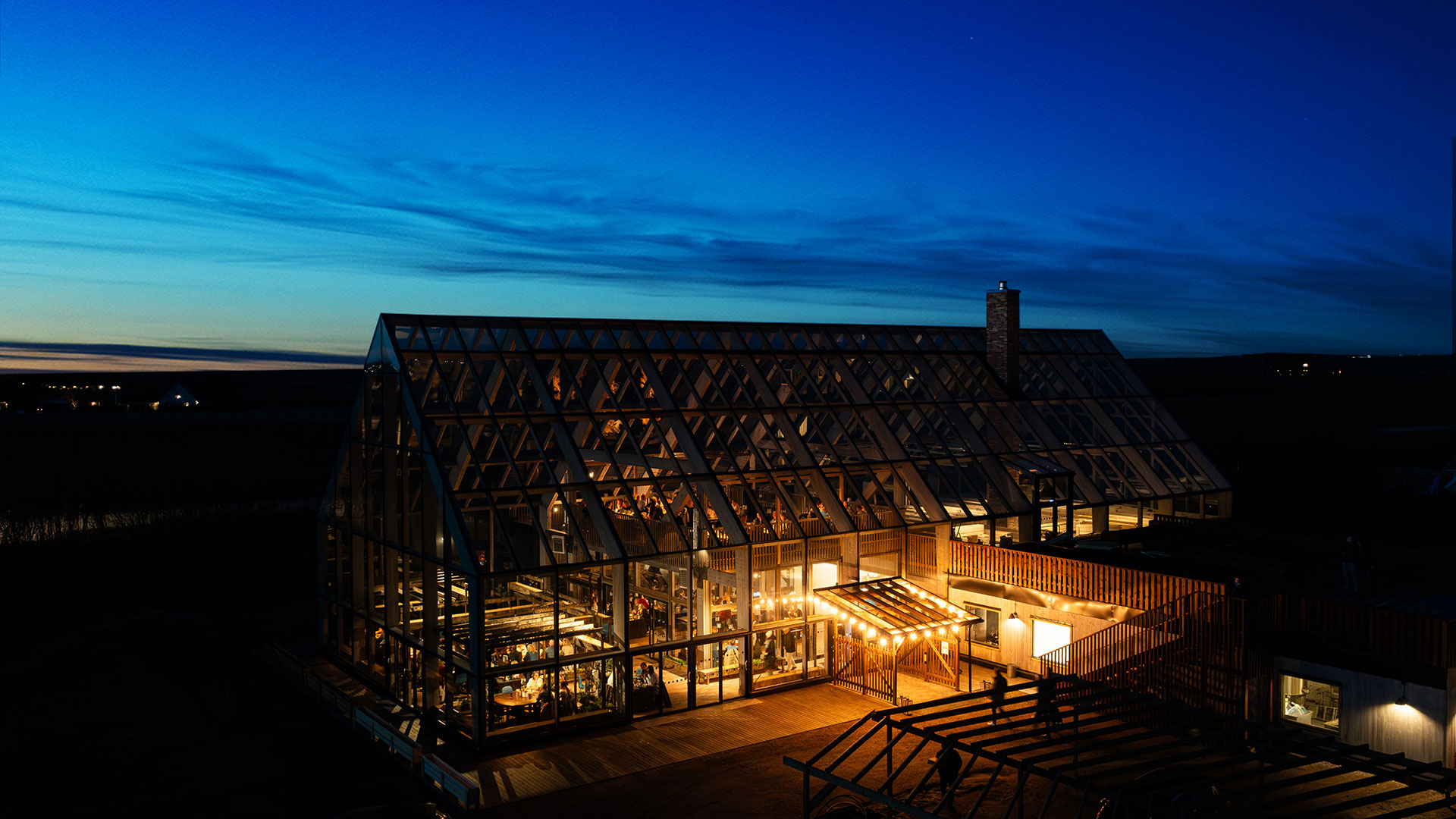
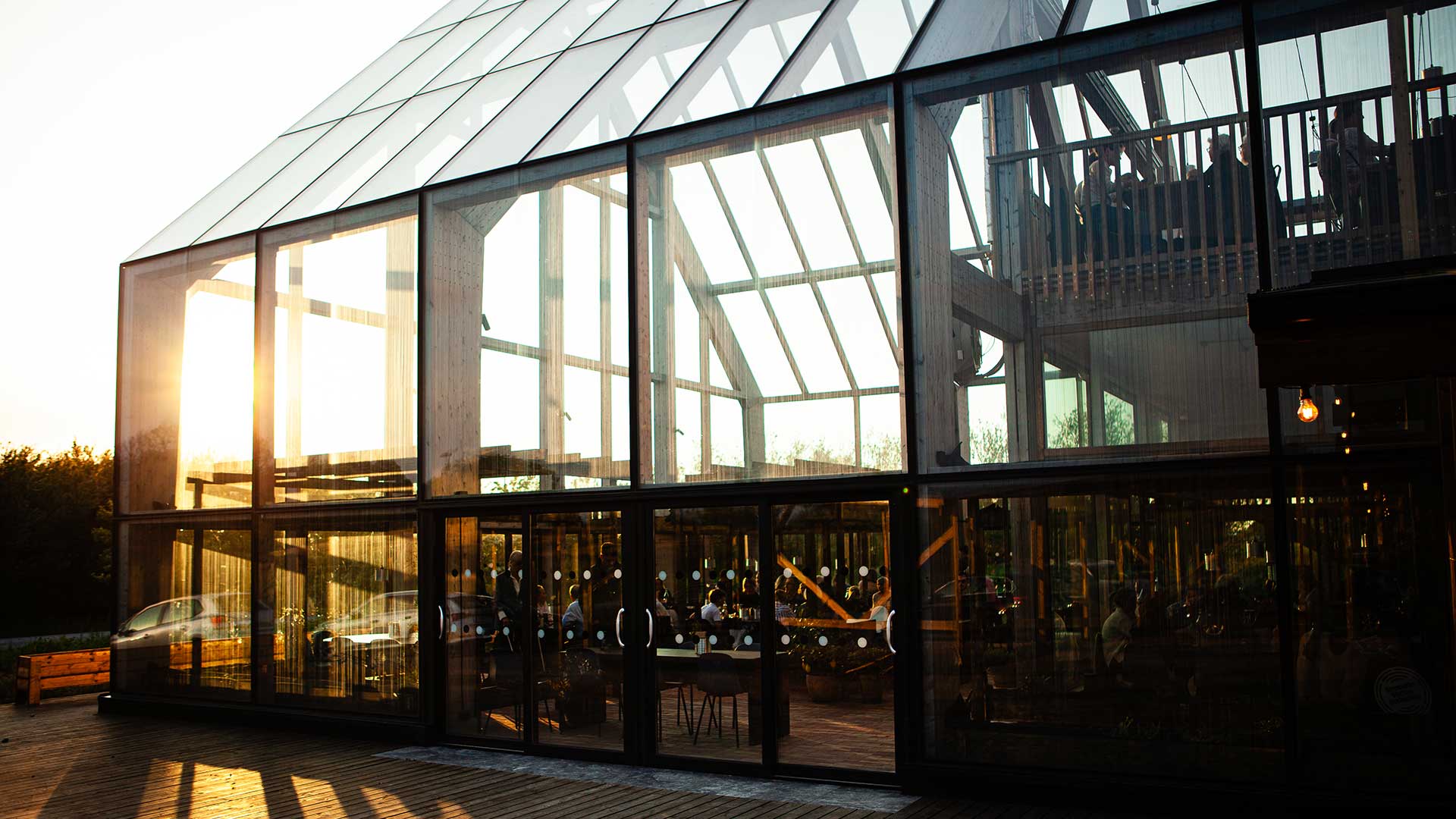
In a greenhouse in Skegrie, wood-fired pizzas are baked in a restaurant where the energy system is just as carefully designed as the menu. At Stenmark’s Pizzeria, waste heat from the pizza oven is recovered and used to heat the building, produce domestic hot water and create a comfortable indoor climate for both guests and staff. When the oven’s heat is not sufficient, a heat pump from Qvantum ensures stable operation all year round.
A climate-smart restaurant where food and energy come together
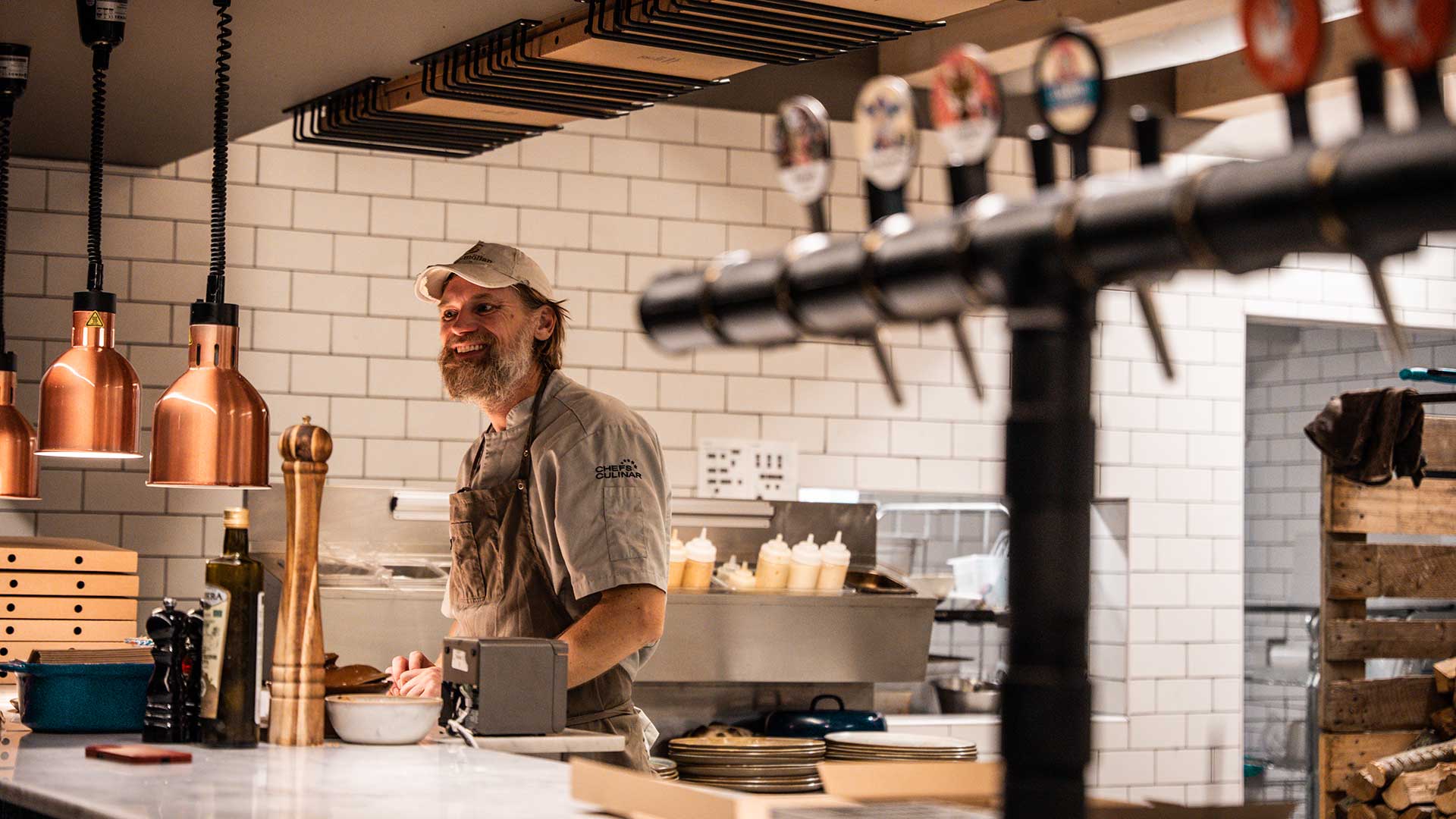
Behind Stenmark’s Pizzeria is Claes Stenmark, whose passion for food has been a part of his life for as long as he can remember.
“I come from a family that works with food. Ever since I was a child, cooking has been the thing I enjoyed the most,” he says.
When Claes moved from Stockholm with his family, he felt that the local restaurant offering was limited.
“You can either be the one who complains, or you can try to do something about it.”
The idea of starting a restaurant began to take shape – and quite quickly, so did thoughts about energy use and resource efficiency.
“I know that restaurants consume a lot of heat and hot water. So the question became: how can you make better use of that heat and water? For a restaurant, growing your own vegetables is a very natural step.”
The result is a pizzeria located in a climate-smart greenhouse, where cooking, cultivation and the energy system are closely interconnected.
Wood-fired pizzas in the world’s most climate-smart restaurant building
That’s how Claes himself describes Stenmark’s Pizzeria. At the heart of the operation is a wood-fired pizza oven – and this is also where the energy system begins.
The idea of recovering waste heat from the oven has been with him for a long time.
“It actually goes back to when I was in upper secondary school studying these topics. We visited power plants and talked about flue gas heat exchangers and how much energy can be recovered. That knowledge has stayed with me for 25 years.”
How waste heat from the pizza oven is recovered
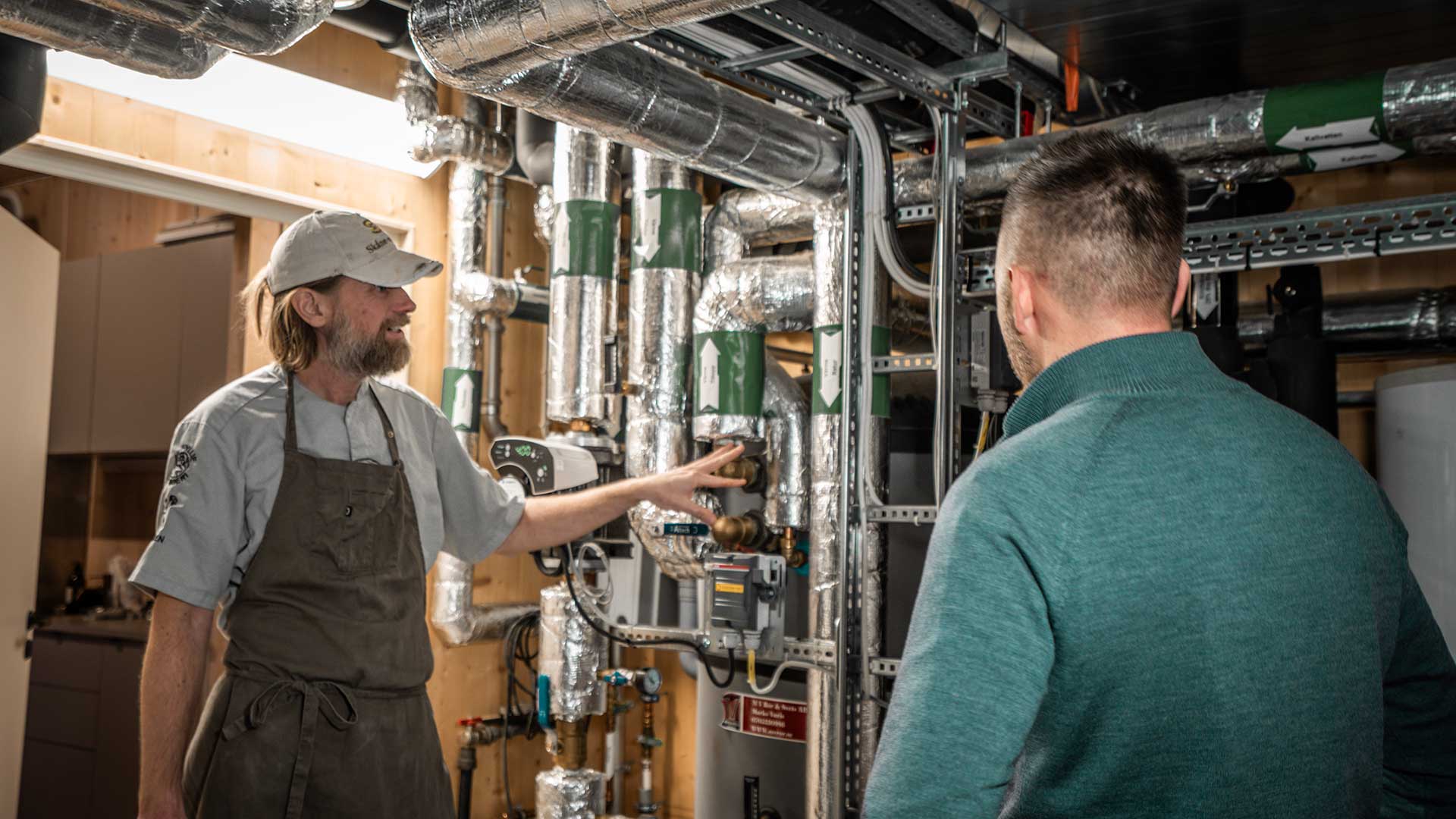
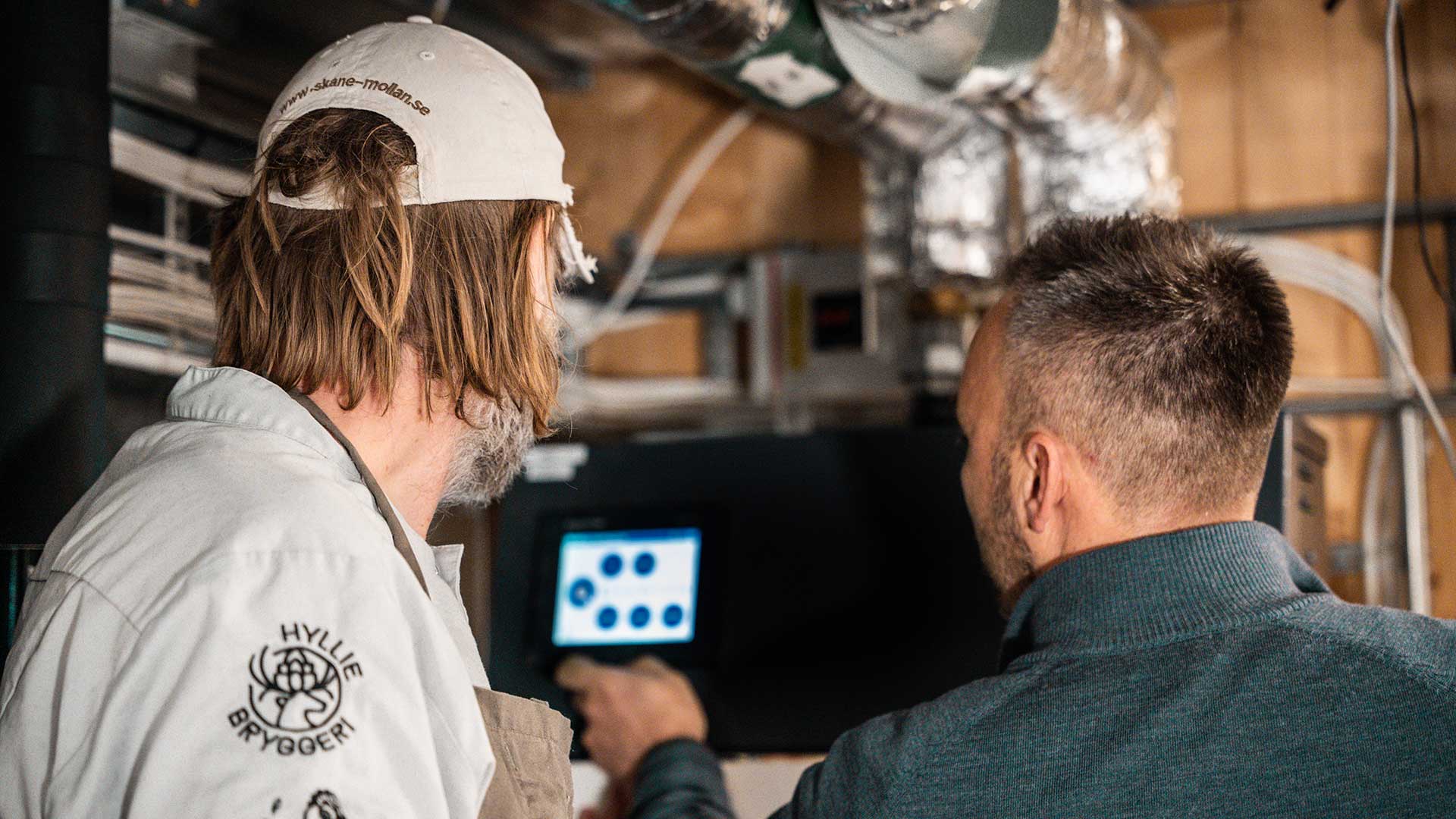
The foundation of the energy system is the pizza oven itself. When the oven is in operation, heat from the flue gases is recovered via a heat exchanger and stored in a buffer tank containing approximately 3,000 litres of water.
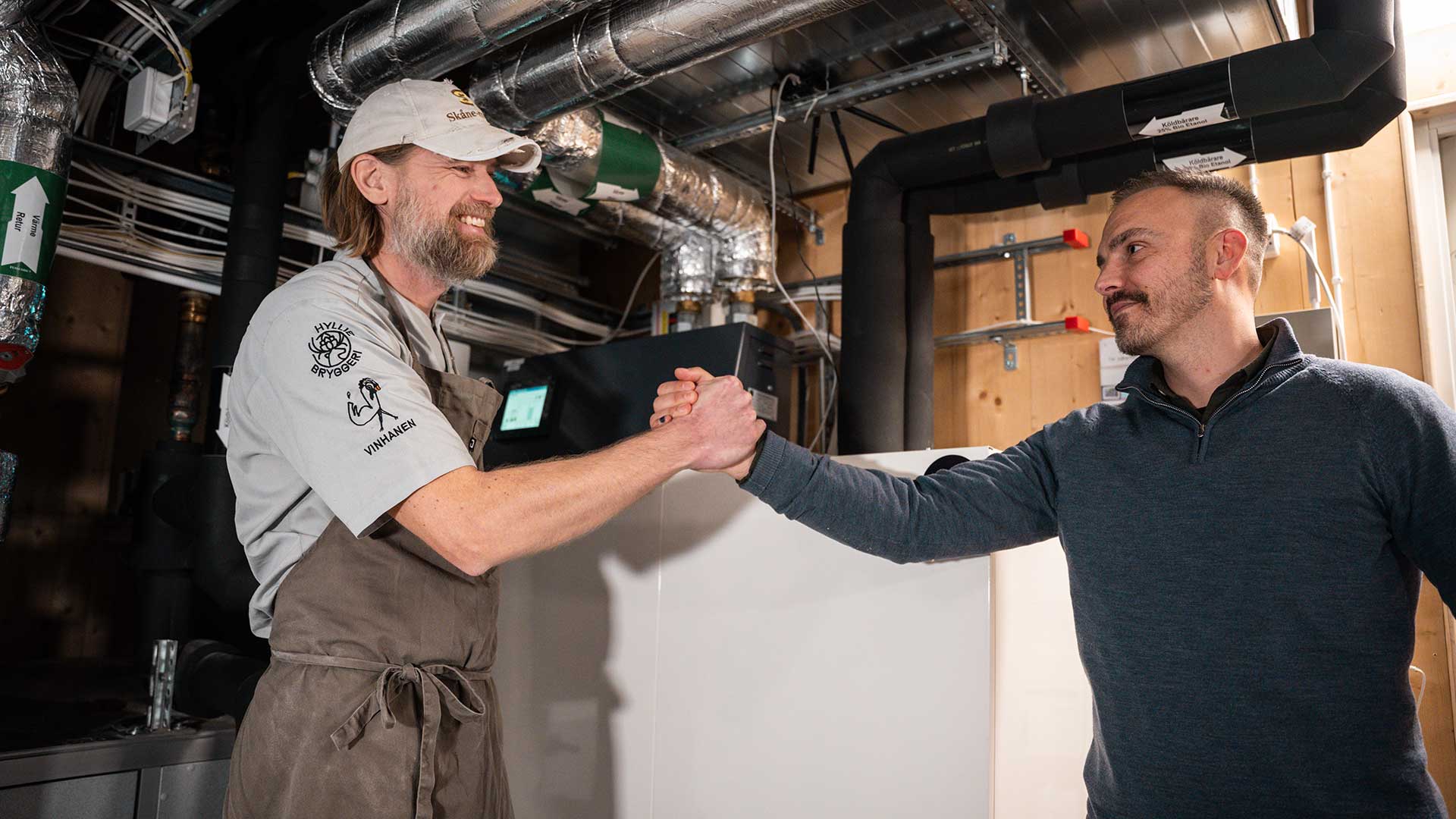
“This means that a large share of both space heating and domestic hot water is based on water heated by the pizza oven,” explains David Möller, Sales Representative at Qvantum.
In short: waste heat from the pizza oven is stored in a buffer tank and used for both heating and hot water throughout the restaurant.
The heat pump that ensures stable operation year-round
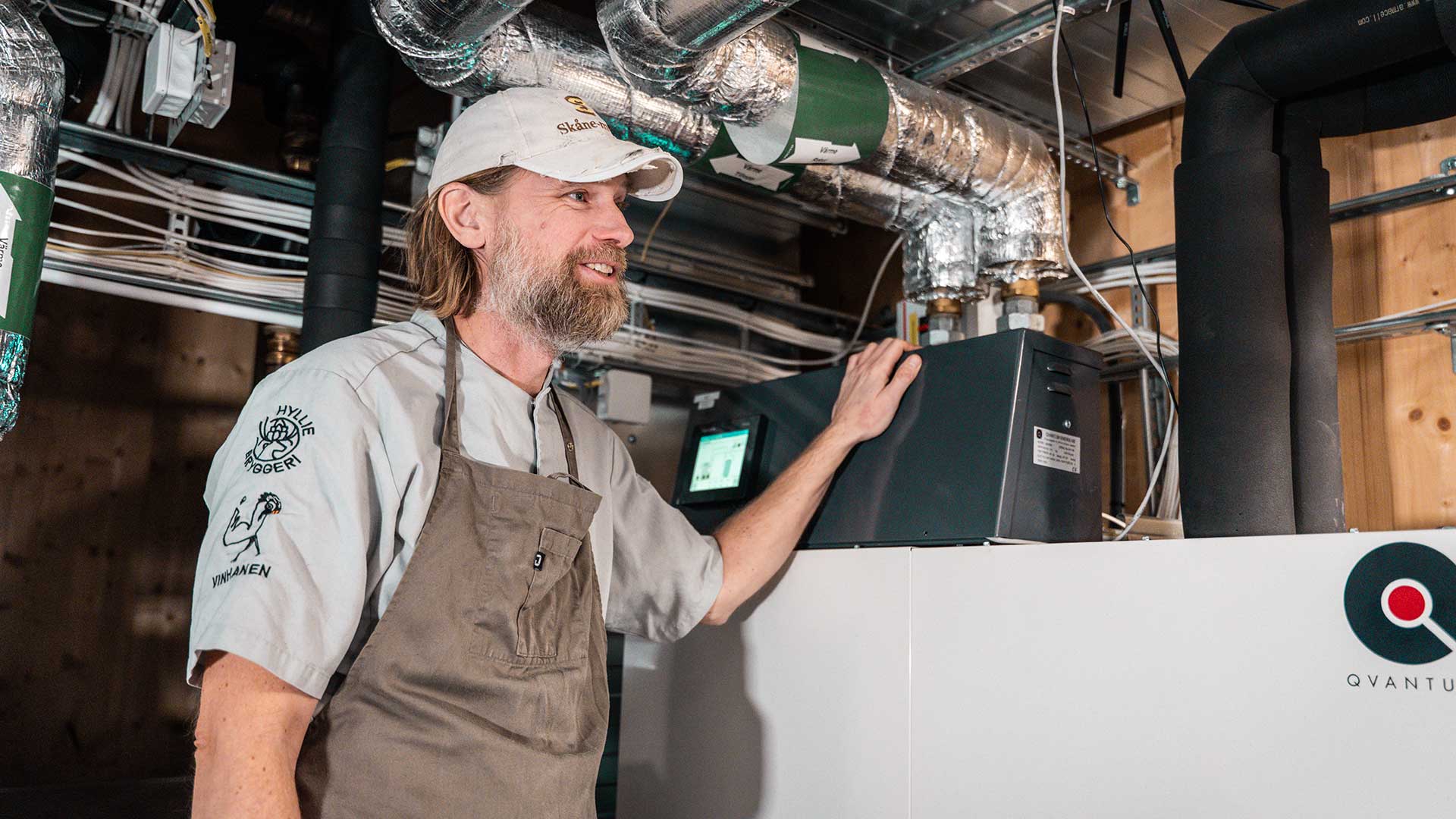
When the heat from the pizza oven is not sufficient – for example during peak demand or when the restaurant is not operating at full capacity – the heat pump steps in to cover the energy needs.
“The heat pump ensures stable operation all year round, without the system needing to be oversized,” says David.
The solution combines recovered waste heat with modern heat pump technology, resulting in an energy-efficient and reliable heating system tailored to the restaurant’s varying demands.
Free cooling from groundwater improves the working environment
In addition to heating, there is also a clear need for cooling, particularly in the kitchen where temperatures can rise quickly.
“Cooling is taken directly from the groundwater. A pump circulates groundwater to the areas where cooling is needed,” explains David.
This solution provides free cooling on warm days, contributes to a better working environment and keeps energy consumption at a low level.
“At its core, it’s a very simple solution.”
Why Qvantum was chosen as the supplier
When it was time to choose a heat pump, Qvantum was the obvious choice.
“I was told that Qvantum was the best – so that’s what I wanted,” says Claes. “I would absolutely recommend a heat pump from Qvantum.”
He describes the collaboration as straightforward and hassle-free.
“No complications. We’ve received something that works – and works very well.”

